
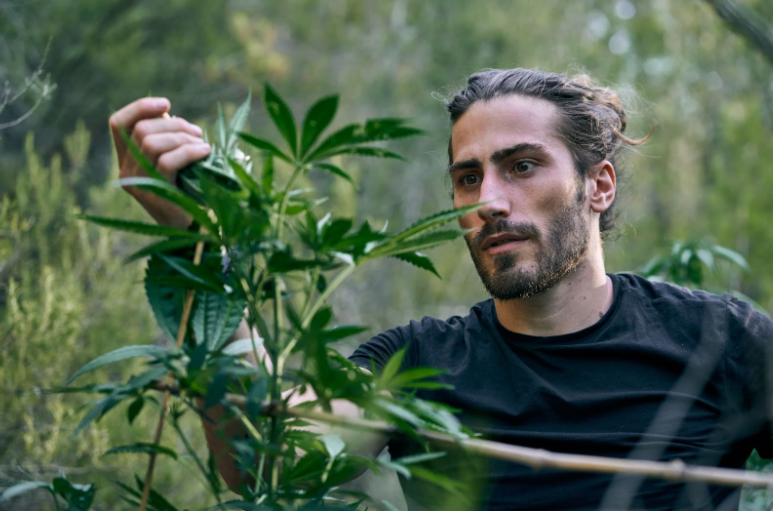
For many people, cannabis in their 20s carried a certain simplicity. It might have been a background presence at a concert, a weekend indulgence with friends, or a quiet moment of relief after long workdays. But for those now navigating their 40s, the experience can feel noticeably different: less predictable, sometimes more potent, sometimes unexpectedly intense, and often influenced by a wider constellation of lifestyle and physiological changes.
This shift can feel surprising, but it is also explainable. The way cannabis interacts with the mind and body is not static, and the decades between early adulthood and midlife introduce meaningful changes involving hormones, sleep, stress regulation, metabolism, and the endocannabinoid system itself.
Changes in Brain Chemistry and the Endocannabinoid System
The endocannabinoid system (ECS) regulates sleep, appetite, mood, immunity, and stress response. Research suggests that natural endocannabinoid levels fluctuate with age, with some studies indicating reductions in CB1 receptor density in certain regions of the brain as early as mid-adulthood. Lower receptor density may shift how a given dose of THC feels—sometimes making it more sedating, occasionally more disorienting, or, for some, less euphoric than earlier in life.
Additionally, the adult brain is more attuned to interoception—the sense of what is happening internally. This can amplify awareness of bodily sensations such as heart rate, breathing, or temperature change, making cannabis feel more “intense” despite unchanged consumption habits.
Hormones and Midlife Physiology

Hormones play an under-discussed role in how cannabis feels. For women, perimenopause and menopause can alter estrogen levels significantly. Estrogen influences endocannabinoid tone, which may impact cannabis sensitivity. Studies have shown that estrogen may modulate the effects of THC, including perceived intensity and analgesic response.
For men, declining testosterone across the 40s can influence mood regulation, energy, and sleep, all factors that shape the subjective experience of cannabis. Hormonal shifts do not inherently make cannabis “good” or “bad,” but they can change how noticeable the effects become.
Stress and Cognitive Load

Cannabis in one’s 20s often exists within contexts of novelty, social freedom, and fewer competing responsibilities. By contrast, the 40s introduce increased cognitive load: caregiving, financial pressures, career demands, and, for many, chronic or cumulative stress.
Stress influences cannabis in two important ways:
- Elevated cortisol can heighten sensitivity to THC.
Cortisol affects emotional regulation and amygdala activity areas also modulated by cannabinoids. For some midlife consumers, this means THC is more likely to provoke introspection or anxiety than relaxation. - Cannabis may no longer be the first interaction of the day with one’s nervous system.
In your 20s, cannabis may have been the stressor. In your 40s, stress often precedes it.
This shift in sequence matters. The nervous system that meets cannabis at 9 PM after a full day of obligations is different than the one that met it on a Saturday afternoon in your college apartment.
Sleep Pressure and Recovery Needs
Sleep profiles also change with age. Many adults in their 40s experience shorter deep sleep cycles, more nighttime waking, or difficulty falling asleep. These changes influence how cannabis interacts with rest.
THC can reduce REM sleep, which may be more noticeable later in adulthood when sleep architecture becomes more fragile. CBD, on the other hand, appears to impact arousal and sleep onset differently, showing potential benefits for sleep latency without the pronounced REM suppression associated with THC.
Cannabis used as a sleep aid in one’s 40s is often less about enhancement and more about compensation. It may “work,” but it may also reveal the underlying sleep deficit that wasn’t present—or at least wasn’t noticed—in earlier decades.
Shifts in Tolerance and Metabolism
Regular use builds tolerance, but tolerance behaves differently over decades. Many people consume less frequently in midlife, either for lifestyle reasons or simply because they feel they do not need as much. Intermittent use tends to lower tolerance, making standard doses feel stronger than they did during periods of consistent consumption in one’s 20s.
Metabolism also slows modestly with age. For inhaled cannabis, the impact is minimal, but for edibles it can be significant. Slower gastrointestinal transit time and changes in liver enzyme activity can make edible onset slower and duration longer—sometimes long enough to interfere with sleep or next-day performance.
Health Priorities and Context of Use

Another reason cannabis feels different at 40 than at 20 has nothing to do with biology and everything to do with intention. Cannabis for many midlife adults is less about experimentation and more about modulation: improving sleep, easing pain, reducing anxiety, or supporting creativity.
This shift in motivation alters the experience. While recreational use in one’s 20s might have occurred in a social or celebratory setting, use in one’s 40s may occur quietly, often alone, and with a specific functional purpose in mind. Context shapes perception.
The Role of Education and Awareness
One positive change often reported in midlife is increased attentiveness to dosage, timing, and cannabinoid profile. Adults in their 40s tend to be more proactive about understanding THC-to-CBD ratios, terpene differences, and product categories—not for novelty but for predictability and comfort. This aligns with broader consumer trends toward personalization in wellness and healthcare.
For readers interested in related lifestyle impacts, our recent report on the rise of cannabis-infused hospitality experiences explores how brands are responding to this new, more intentional consumer base (internal link: Cannabis Tourism Is Quietly Rewriting Wellness Travel).
Aging Doesn’t Diminish the Experience—It Changes the Variables
The difference between cannabis at 20 and cannabis at 40 is not merely a story of aging. It is a story of context, chemistry, responsibility, and self-awareness. Midlife brings changes in hormones, stress, sleep, metabolism, and tolerance—but it also brings clearer expectations and more informed consumption.
For many, this makes cannabis more meaningful in their 40s than ever before, even if it requires more intention than it once did.


