Sports injuries don’t usually arrive with drama. They show up quietly. A shoulder that feels heavier than it should. A calf that tightens halfway through a run. A knee that reminds you, first thing in the morning, that you didn’t warm up properly the night before.
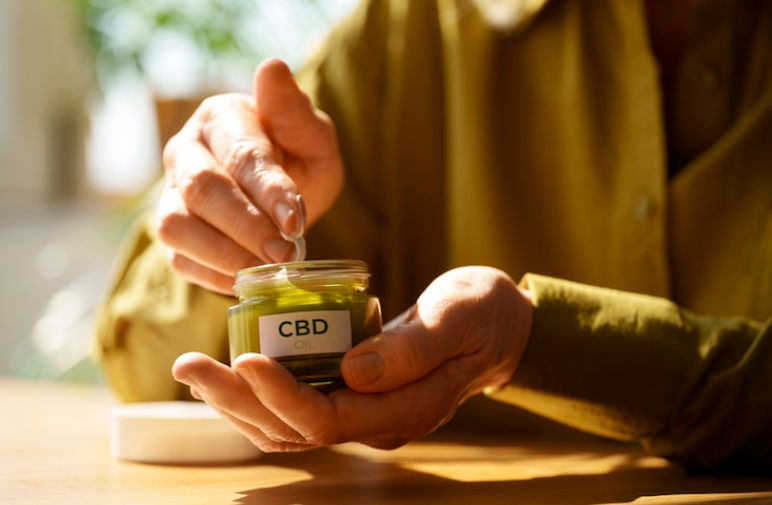
For years, the default responses were predictable: ice, heat, rest, anti-inflammatories, and the hope that tomorrow would feel better than today. More recently, topical CBD creams have entered that recovery conversation not as a cure, not as a shortcut, but as a targeted way to manage discomfort without disrupting the rest of the body.
When used correctly, CBD creams can be useful. When misunderstood, they’re disappointing. The difference lies in expectations, formulation, and how they’re actually used.
Why CBD Creams Became Part of Sports Recovery
The appeal of CBD creams is simple: they work locally.
Unlike oral pain relievers or CBD oils, topical CBD doesn’t circulate through the bloodstream in any meaningful way. Instead, it interacts with cannabinoid receptors in the skin, muscles, and connective tissue near the area of application. That makes these creams especially relevant for localized pain the kind athletes deal with most often.
Think:
- Overworked quads after leg day
- Tight shoulders from lifting
- Ankles and knees that feel stiff after impact sports
- Chronic soreness from repetitive motion
CBD creams don’t “fix” injuries. What they can do is calm the area, reduce inflammation-related discomfort, and make movement feel more manageable during recovery.
What CBD Creams Are Good At—and What They Aren’t
This is where most disappointment comes from.
CBD creams are not designed to heal torn ligaments, repair cartilage, or replace rehab. They don’t override structural damage. What they do offer is support during the recovery process especially when paired with rest, mobility work, and smart training decisions.
Used well, they can:
- Ease muscle tightness
- Reduce inflammation-related soreness
- Improve comfort during movement
- Help with post-workout recovery
Used poorly, they become just another jar in the cabinet that “didn’t work.”
Why Some CBD Creams Work Better Than Others
Effectiveness has very little to do with marketing language and everything to do with formulation.
CBD Type Matters
- Full-spectrum CBD includes other cannabinoids and trace THC (within legal limits). Many athletes report stronger, more noticeable relief from these formulas.
- Broad-spectrum CBD removes THC but retains other cannabinoids.
- CBD isolate is pure CBD and tends to feel milder.
For sports injuries, full- or broad-spectrum formulas are generally more effective.
Supporting Ingredients Do Real Work
The best CBD creams don’t rely on CBD alone. Ingredients like menthol, arnica, turmeric, ginger, and eucalyptus help address inflammation and pain through different mechanisms. CBD supports the system; these ingredients handle sensation and circulation.
Texture Changes the Experience
- Balms and salves stay put and work well on joints
- Creams and lotions spread easily over large muscle groups
- Gels absorb quickly and feel lighter
The “best” texture depends on where and when you’re applying it.
CBD Creams Commonly Used by Active People

Rather than overwhelming you with options, here are a few formulations that athletes and trainers consistently reference for sports-related discomfort.
CBDistillery CBDol Topical Salve
A dense, full-spectrum salve that works well for joints and deep muscle soreness. It’s not flashy, but it’s effective—especially for knees, shoulders, and lower back areas.
RE Botanicals Relief + Recovery Balm
Designed with post-workout use in mind, this balm combines full-spectrum CBD with arnica and menthol. It absorbs cleanly and works well after intense training days.
Sagely Naturals CBD Deep Relief Salve
This one leans into botanicals like turmeric and ginger alongside CBD. It’s often preferred for chronic joint stiffness rather than acute muscle pain.
Vertly CBD Muscle Rub
A lighter cream with a noticeable cooling effect. Many athletes use it before stretching or mobility work rather than after injury.
These aren’t miracle products. They’re tools—and they work best when used intentionally.
How to Use CBD Creams So They Actually Help
Timing and consistency matter more than quantity.
- Apply to clean, dry skin
- Massage thoroughly into the affected area
- Use after activity, when inflammation is setting in
- Reapply consistently over several days
CBD creams tend to work cumulatively. One application might feel nice. Regular use is where people notice real improvement.
And importantly: CBD creams work with recovery habits, not instead of them. Stretching, hydration, sleep, and rest still do the heavy lifting.
Safety and Expectations
Topical CBD is generally well-tolerated and doesn’t cause intoxication. Still, quality matters. Reputable products provide third-party lab testing and clear ingredient lists. Avoid applying CBD creams to broken skin, and stop use if irritation occurs.
If pain is worsening, persistent, or linked to instability or swelling, that’s not a CBD situation—it’s a medical one.
CBD creams earned their place in sports recovery not because they promise transformation, but because they offer measured, localized support. They’re not shortcuts. They’re not magic. But for athletes managing the normal wear and tear of training, they can make recovery feel more manageable—and movement feel possible again.
Used thoughtfully, a good CBD cream isn’t about masking pain.
It’s about staying in motion long enough to heal properly.