The question comes up more often than people admit, usually phrased casually but rooted in real uncertainty: Is it better to smoke cannabis, or just eat a gummy?
The answer isn’t about potency or preference alone. It’s about context, how you want to feel, where you are, who you’re with, how long you want the effects to last, and how much control you want over the experience.
Cannabis today isn’t one thing. It’s a menu of formats, each shaping the experience in very different ways. Understanding those differences is what separates intentional use from accidental overuse.
Two Methods, Two Very Different Experiences
At a basic level, smoking flour and eating gummies deliver THC to the body through entirely different systems—and that changes everything.
Smoking Flower
When cannabis is inhaled, THC enters the bloodstream through the lungs and reaches the brain quickly. Effects usually appear within minutes and peak relatively fast.
What that means in practice is immediacy and control. You feel it right away. You can decide if you want more or if you’re done. For many people, this makes smoking feel predictable and manageable, especially in social situations.
The experience tends to be:
- Faster onset
- Shorter duration (often 1–3 hours)
- More mentally alert
- Easier to modulate
This is why long-time users often prefer smoking. There’s less guesswork.
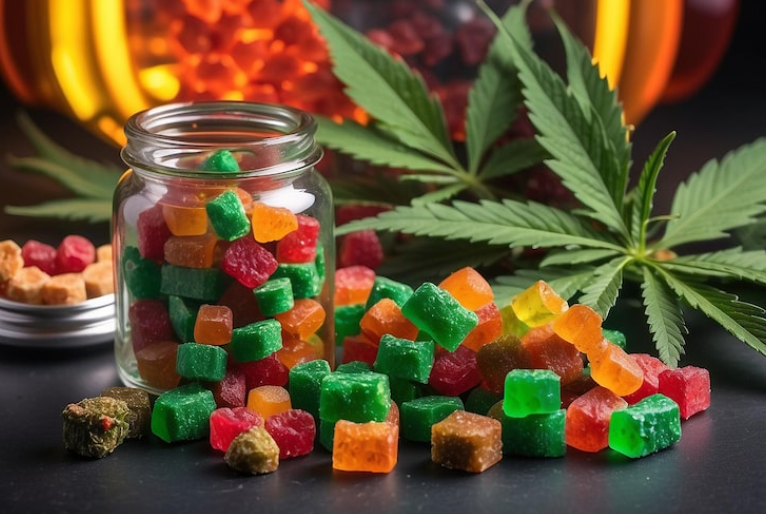
Eating Gummies
Gummies and other edibles follow a different path. THC is processed by the liver, where it converts into a compound that is stronger and longer-lasting. This changes both intensity and duration.
Effects take longer to appear anywhere from 30 minutes to two hours—but once they arrive, they tend to stay.
Edibles are typically:
- Slower to kick in
- Longer-lasting (4–8 hours or more)
- More body-focused
- Less adjustable once consumed
This is where people either love gummies or swear them off entirely. The delay requires patience. Without it, dosing mistakes happen.
Control vs. Commitment
One of the biggest differences between smoking and gummies is how much control you retain once you begin.
Smoking allows you to titrate in real time. One puff might be enough. Two might be perfect. You stop when your body says stop.
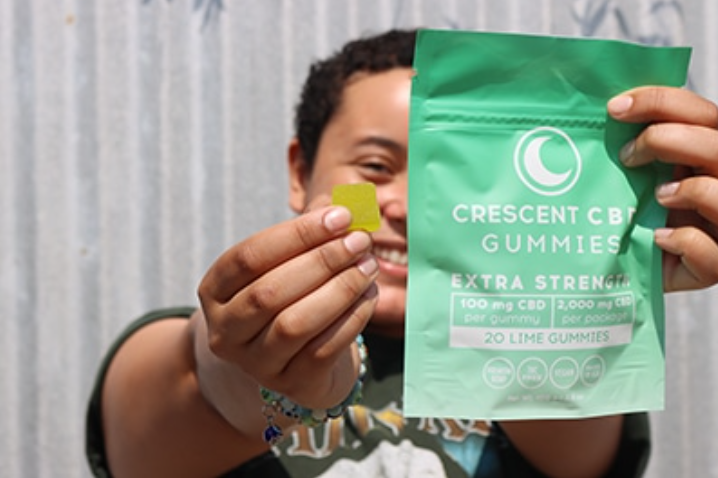
Gummies are a commitment. Once you eat one, you’re on the ride. This isn’t inherently bad—it’s just different. It requires planning and a clear understanding of your tolerance.
For people who value predictability in social or professional-adjacent settings, smoking often feels safer. For people who want sustained relaxation without re-dosing, gummies can be more appealing.
Social Considerations Matter More Than People Admit
Cannabis use doesn’t happen in a vacuum. Context changes everything.
Smoking in Social Settings
Smoking has a visible and cultural presence. It’s often shared, conversational, and ritualistic. That can be a positive in the right setting—but it also draws attention.
There’s a smell. There’s smoke. There are clear boundaries about where it’s acceptable.
Smoking works best in:
- Private homes
- Outdoor settings
- Gatherings where cannabis use is expected
It’s less ideal in mixed company or formal environments.
Gummies in Social Settings
Gummies are discreet. No smell, no smoke, no visual cue. You can take one and continue the evening without anyone noticing.
That discretion makes edibles appealing for:
- Dinners
- Concerts
- Social events where smoking isn’t appropriate
- Situations where privacy matters
The tradeoff is timing. You need to think ahead, because the effects won’t align instantly with the moment.
Ease of Use and Convenience
From a practical standpoint, gummies win on simplicity.
They don’t require tools, rolling, or cleanup. There’s no ash, no lighter, no smell lingering on clothes. You open a package, eat, and you’re done.
Smoking flowers, on the other hand, requires setup and consideration. It’s more hands-on, which some people enjoy—but it’s undeniably less convenient.
That said, ease of use can be deceptive. Gummies are easy to consume, but easier to misuse. Smoking requires more intention in the moment, which can act as a built-in safeguard.
Travel and Portability
Travel is where the difference becomes especially clear.
Smoking flowers is conspicuous. It smells. It’s regulated heavily in public spaces. Even in legal regions, consumption laws vary widely, and discretion is limited.
Gummies are easier to carry and easier to store. They don’t draw attention and are simpler to manage logistically.
However, legality still matters. Cannabis remains federally illegal in many places, and crossing state or international borders with any form of cannabis can carry serious consequences.
Discretion does not equal legality.
How the Body Experiences Each Method
Smoking tends to produce a quicker, more cerebral effect. People often describe it as mentally stimulating or creatively engaging, with a clearer sense of when it begins and ends.
Gummies often feel more physical. The body relaxes first. Muscles soften. Time stretches. The experience can feel immersive rather than sharp.
Neither is better. They simply serve different needs.
So Which Is Better?
The honest answer is: neither universally is.
Smoking is better when:
- You want immediate feedback
- You value control
- You’re in a social or time-limited setting
Gummies are better when:
- You want longer-lasting effects
- You prefer discretion
- You’re planning ahead and staying put
The mistake is treating cannabis as a one-size-fits-all experience. The more intentional the choice, the better the outcome.
Cannabis today isn’t about excess. It’s about alignment—matching method to moment.
Smoking offers flexibility. Gummies offer longevity. One invites adjustment; the other rewards patience.
The smartest users aren’t choosing one over the other permanently. They’re choosing based on where they are, how they feel, and what the moment actually calls for.
That’s not indulgence.
That’s the intention.